

On this page
The best car dealer CRM is the one your salespeople will open every day, that connects to your inventory and deal flow, and that leaves you in control of your customer data. Independent and used car lots usually do best with an all-in-one system such as DealerCenter or AutoManager. Stores with a defined sales process fit DealerSocket or CDK Global. Multi-location groups with scattered records get the most from BrainTrust IXP, which establishes a company-wide data layer.
A CRM at a car dealership captures every lead, logs every call, text and visit, schedules follow-ups, and moves a shopper from first inquiry to delivery and service. Without one, leads from your website, third-party listings, phone and walk-ins end up in spreadsheets and in salespeople's heads. Follow-ups slip, and the sale goes to the lot that called back first.
This article compares five options, each a different kind of car dealer CRM system. For each one you get what it does, who it suits, and what to check before you sign. BrainTrust Partners builds vertical AI for car dealers, so we list our own platform first. We also say plainly where it fits and where it does not.
1. BrainTrust IXP
What it does
BrainTrust IXP is a private AI platform that establishes a company-wide data layer. It resolves customer records from your separate systems into one company-wide data layer. It then uses that data for analytics and for agentic handling of web chat, email, and SMS conversations.
- Merges duplicate and conflicting customer records into one profile
- Handles chat, email, and SMS customer communications with AI agents
- Adds cross-media analyses and an iOS app where managers ask for reports in plain language
Who it suits and what it costs
IXP suits dealer groups and multi-location stores whose leads, deals, and service records sit in disconnected systems. Its AI models are trained on and operate only on your data, and you own the result. That ownership helps when you have to answer for customer data under the FTC Safeguards Rule.
Pricing starts at $3,000 per month per location on a 12-month term, or $2,500 per month on a 24-month term. A three-store group on the 12-month term pays $9,000 a month, or $108,000 a year. On 24 months it pays $7,500 a month, or $90,000 a year. Expect 60 to 90 days to first use cases, with up to 8 hours a month of strategy support included. It is too much for a single independent lot.
Fix the customer data first, and every CRM you run on top of it works better.
2. DealerSocket CRM
What it does
DealerSocket CRM is built for dealerships that want to shape the tool around their own process. It offers configurable dashboards and checklists, so a manager can decide what each salesperson sees and which steps a deal must pass.
- Dashboards tailored to roles such as salesperson, BDC agent, and manager
- Checklists that enforce your follow-up routine
- Lead and customer tracking across the pipeline
Who it suits and what to check
This one suits mid-size and large stores with a defined sales process. If you already know how fast a lead should be contacted and what the third follow-up looks like, you can encode that rule here and hold people to it.
Configurability has a cost. Someone must own the setup, or you pay for a flexible system that runs on defaults. Ask for a written quote, and ask who builds your dashboards and how long that takes.
A configurable CRM rewards dealers who already know their process.
3. CDK Global automotive CRM
What it does
CDK Global sells an AI-powered automotive CRM designed to connect sales, service, and marketing in one platform. The point is a single customer record that follows the buyer from showroom to service drive, instead of separate histories in each department.
- Sales, service, and marketing share one customer view
- AI features support lead handling and communication
- Built to integrate with the rest of a dealership's systems
Who it suits and what to check
CDK suits dealers who want one vendor across departments and who value service-lane retention as much as new sales. A single record helps most when your service department drives repeat buyers.
A broad platform means a bigger implementation. Before you commit, find out which modules you actually pay for and how the CRM connects to your current DMS. Ask for a written quote.
Choose a platform CRM when your service lane is a sales channel, not an afterthought.
4. DealerCenter
What it does
DealerCenter is a dealer management system for independent auto dealers. It combines inventory management and payment processing with dealer CRM tools, so a used car dealer CRM and the daily back-office work live in one place.
- Inventory management for your lot
- Payment processing built into the platform
- Customer and deal tracking alongside the inventory
Who it suits and what to check
DealerCenter suits independent and used car lots that want one system instead of a CRM bolted onto a separate DMS. A small team gains most from not re-entering a vehicle or customer twice.
Compare the follow-up tools against a dedicated CRM. Test how it handles lead response and automated texts and emails with your own sample leads. Confirm current pricing directly with the vendor.
A used car lot needs inventory and customers in the same system.
5. AutoManager
What it does
AutoManager offers cloud-based dealer management software with responsive websites, inventory marketing, and a built-in CRM. Your website, vehicle listings, and lead tracking come from one vendor, so web inquiries land directly in the CRM.
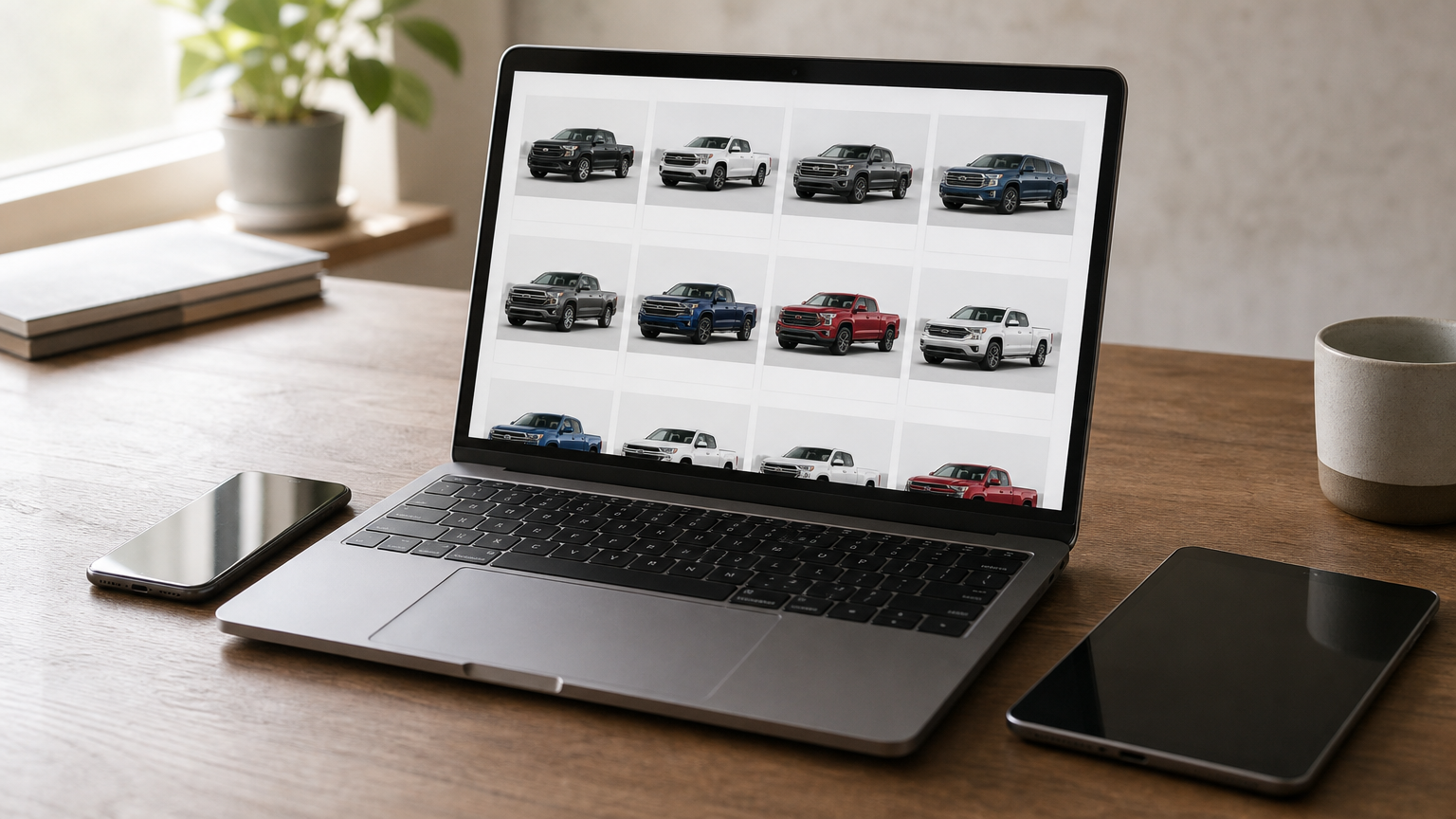
- Cloud-based DMS, accessible from any device
- Dealer websites that capture leads
- Inventory marketing tied to your stock
Who it suits and what to check
AutoManager suits used car dealers who want website and CRM from one vendor and prefer one bill and one support line. For a small independent car dealer CRM setup, fewer vendors means fewer integration problems.
Bundling cuts both ways. Moving your website means committing to the vendor. Before you sign, ask whether you can export your customer and inventory data if you leave, and confirm current pricing directly.
Bundling saves effort until you want to leave, so check the exit first.
Picking the right system for your lot
Match the tool to your shape. Independent and used lots do well with an all-in-one such as DealerCenter or AutoManager. Stores with a clear process and a service lane fit DealerSocket or CDK Global. Groups with duplicate customer records and several locations should fix the data layer first.
Before you buy any car dealer CRM software, run your own leads through a trial, ask who owns your customer data, and get the export terms in writing. If you run multiple stores and your records are fragmented, talk with BrainTrust Partners about your dealer data before you add another system on top of the mess.