

On this page
Intelligent Infrastructure optimizes infrastructure resources for application consumption through the use of infrastructure machinelearning and applying tuning as software overlays – studying environments to drive automation and save millions of managementhours.
– Exclusive Networks
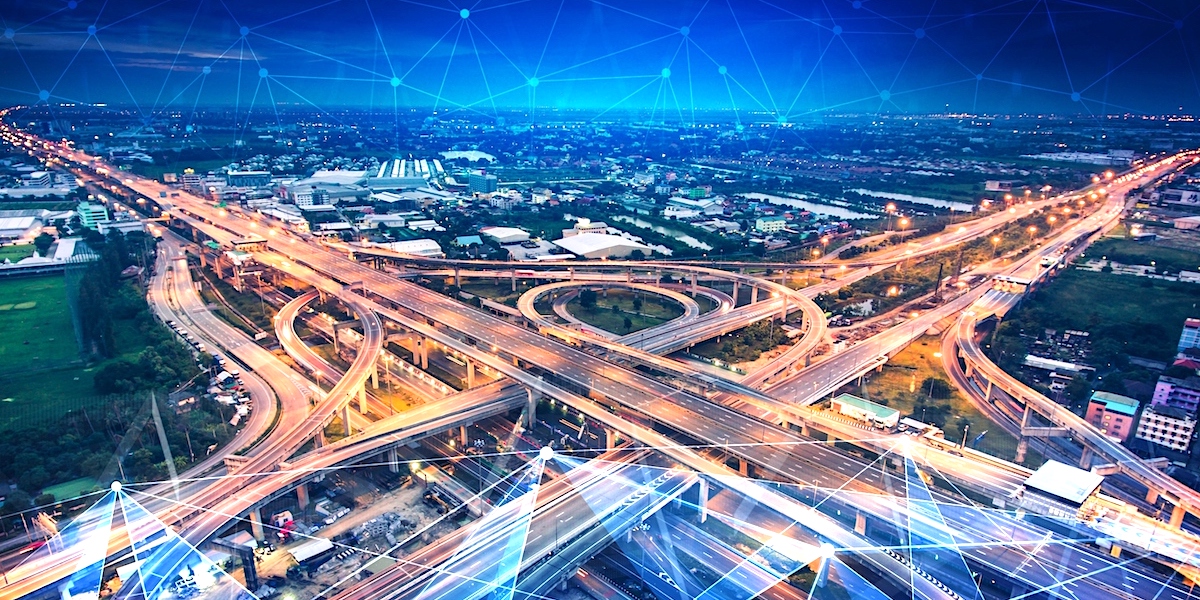
Have you ever imagined a world where traffic flows seamlessly, pedestrians and cyclists move safely, and our environment breathes alittle easier? While it might sound like a idyllic daydream, that vision free-flowing city is becoming a reality through the ingeniousmarriage of artificial intelligence (AI) and intelligent infrastructure. And, to explore exactly how those two emerging technologies mightwork together to deliver cleaner, safer, and more efficient cities, we decided to ask one of them.
That's right. We asked ChatGPT to walk us through some of the ways AI could be used shaping a smarter, safer, and moresustainable transportation infrastructure by harnessing live data from vehicles, buildings, and mobile devices – and this is what we got:
AI: Making Sense of Data
Imagine you're standing at a bustling intersection, watching cars, buses, cyclists, and pedestrians all moving in different directions. It'slike a symphony of movement, and AI is the conductor. Just like a conductor brings harmony to a musical performance, AI processesthe vast amount of data collected from vehicles, buildings, and mobile devices to bring order to our roads and pathways.
Live Data: The Building Blocks of Intelligent Infrastructure
Think of all the smartphones, GPS-enabled cars, and sensors embedded in our environment. They're constantly sending out signals,like tiny messengers sharing information about where they are and how fast they're moving. AI takes this real-time data and turns itinto valuable insights that help us create a safer and more efficient transportation system.
Pedestrian and Cyclist Safety: AI can detect when someone is crossing the road or riding a bike, even if they're in a blind spot. It alertsdrivers and even adjusts traffic signals to give them more time to cross. This technology acts like a guardian angel, helping to preventaccidents and keep vulnerable road users safe.
Reducing Traffic Congestion: Ever been stuck in bumper-to-bumper traffic? AI can analyze traffic patterns and suggest alternativeroutes to drivers, helping to spread the flow of vehicles more evenly. This means less time idling in traffic, fewer cars on the road atonce, and quicker journeys for everyone.
Cutting Carbon Emissions: AI doesn't just work for people on the road – it's also a superhero for the planet. By optimizing traffic flow,AI helps vehicles burn less fuel and emit fewer harmful gases. This translates to cleaner air, reduced greenhouse gas emissions, anda healthier environment.
The Road to Tomorrow: How Smart Infrastructure Works
You might be wondering, "How does this AI magic happen?" It's all about algorithms – sets of instructions that tell computers how toanalyze and interpret data. Engineers and scientists develop these algorithms, teaching AI systems to recognize different types ofvehicles, predict traffic patterns, and even understand human behavior.
But it's not just about fancy technology. It's about combining AI's brainpower with human expertise. City planners, engineers, and AIspecialists work together to create a transportation ecosystem that benefits everyone.
Looking Ahead
As we step into the future, AI's role in shaping a smarter transportation system will only grow. Imagine a city where traffic lights knowwhen to turn green based on actual traffic, where buses automatically adjust their routes to avoid congestion, and where pedestrianscan confidently navigate busy streets. It's a future where our daily commutes are smoother, safer, and kinder to the planet.
Remember: when you see a self-driving car or notice a traffic light changing just when you need it, AI is at work, weaving its magic totransform our mobility landscape. As AI continues to learn and adapt, we're moving closer to a world where our roads are safer, our airis cleaner, and our journeys are more enjoyable. Embracing AI isn't just about embracing technology – it's about embracing a brighterfuture for us all.
ORIGINAL CONTENT FROM BRAIN+TRUST
Co-authored by Jo Borrás & Open AI's ChatGPT

.png)




.png)